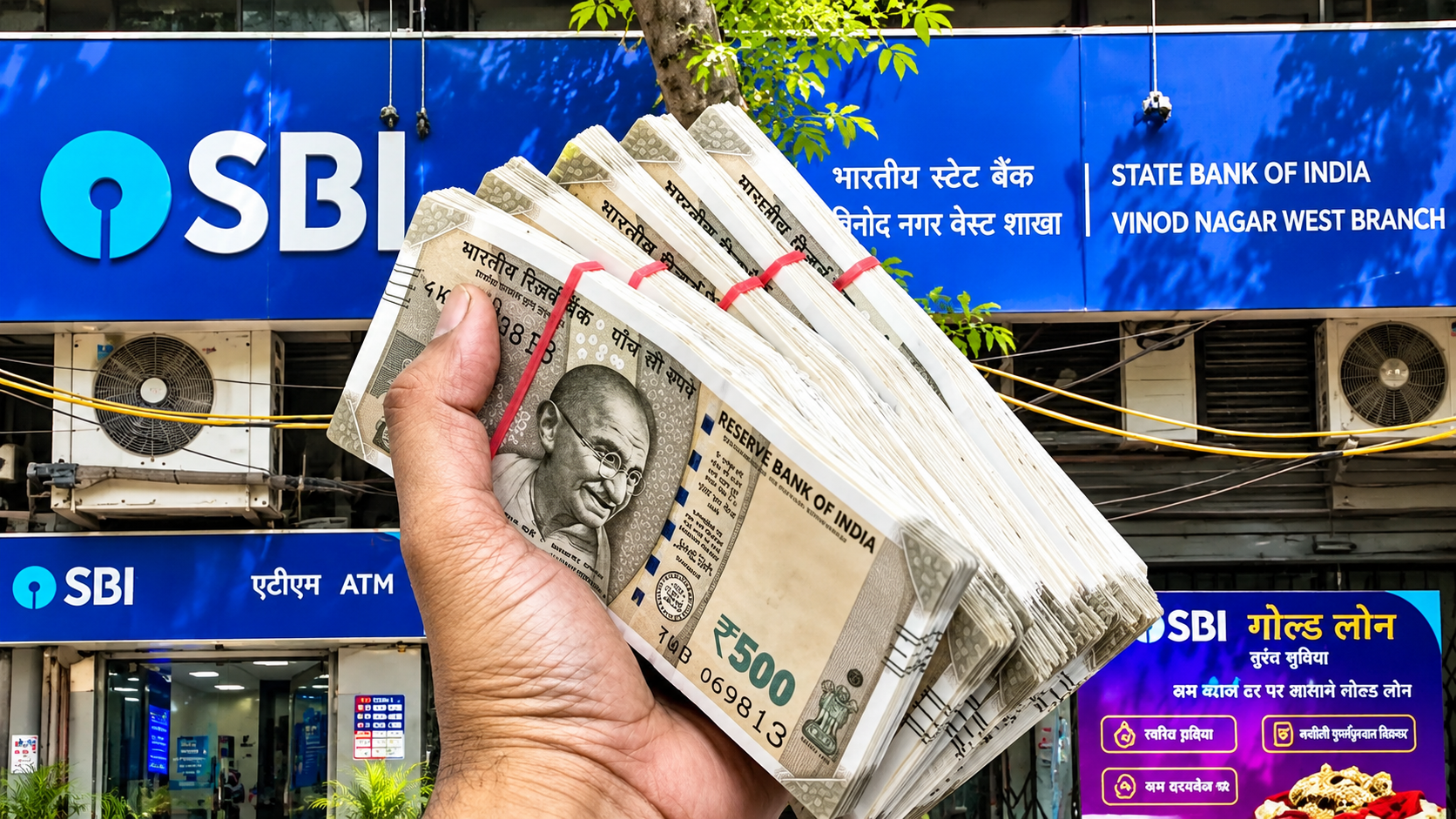
The Reserve Bank of India’s (RBI) decision to increase the daily Cash Reserve Ratio (CRR) maintenance requirement is expected to have a limited impact on banks’ net interest margins (NIMs), while potentially withdrawing ₹400 billion to ₹800 billion from the banking system, according to a report by Jefferies.
The report said the move is in line with the Monetary Policy Committee’s shift towards a stance of “calibrated tightening."Under the revised rules, banks must maintain 99 per cent of the prescribed CRR daily, up from the earlier requirement of 90%. The statutory CRR remains unchanged at 3% of Net Demand and Time Liabilities (NDTL).
The higher daily requirement could prompt banks to keep more funds with the RBI, reducing the liquidity available for lending and other uses.
“If this lifts balances by 5-10%, it can withdraw Rs400-800bn of liquidity & add 1-2bps to cost of funds,” the Jefferies report said.
The brokerage noted that banks currently maintain a buffer above the minimum daily CRR requirement. However, the revised norms could require them to set aside more funds with the central bank, increasing their funding costs by 1-2 basis points.
Despite the potential impact on liquidity, Jefferies expects the effect on banks’ profitability to remain limited. Banks may also pass on the marginal increase in funding costs to borrowers, depending on lending conditions and their ability to adjust interest rates.
Jefferies said it prefers banks over NBFCs in a rising interest rate environment, citing differences in their funding structures and ability to manage higher borrowing costs.
“In a rising rate period, we prefer banks over NBFCs,” the report said.
Overall, the revised CRR requirement could marginally tighten liquidity in the banking system and increase lending costs, but the immediate impact on banks’ margins is expected to remain limited. The extent to which banks pass on the additional costs to borrowers will be key to determining the impact on credit demand, NBFC funding and corporate borrowing costs. - ANI