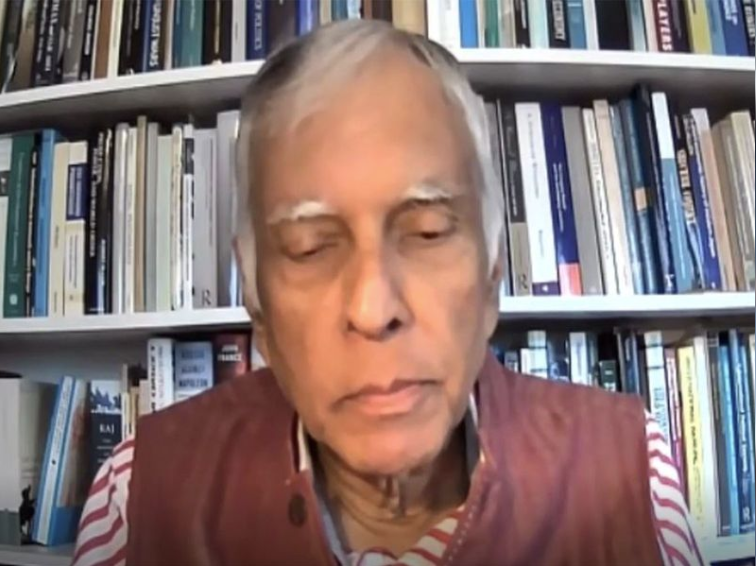
India would be better off accepting the risk of losing some access to the US market than abandoning Russian oil purchases if forced to choose between the two, political economist Gautam Sen said, arguing that a disruption to energy supplies could impose a much higher cost on the Indian economy.
The assessment highlights the difficult trade-off facing India as energy security becomes increasingly entangled with trade and geopolitics, even as the United States remains India's largest merchandise export market and New Delhi depends on imports for nearly nine-tenths of its crude oil requirement.“If India stops purchasing Russian oil, it will be extremely consequential for India because the prices will rise in the global market,” Sen said.
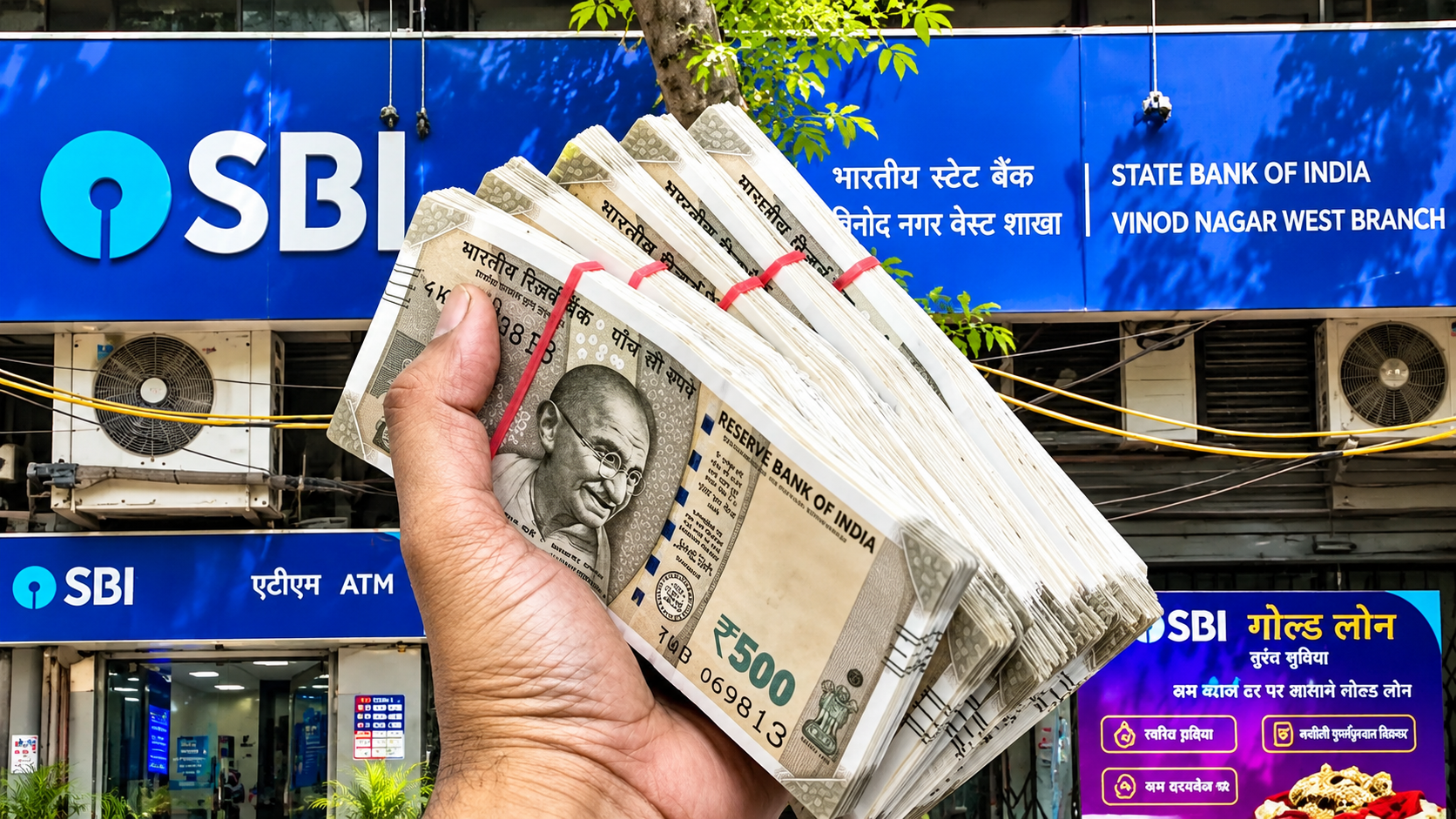
The United States is India's largest merchandise export destination, accounting for about 20.75% of India's exports, according to the Department of Commerce's Trade Intelligence and Analytics portal. The portal puts India's merchandise exports to the US at over $92 billion, underlining the importance of continued access to the American market.
At the same time, India's exposure to movements in global oil markets remains substantial. Petroleum Planning and Analysis Cell data showed the country's crude oil import dependence at around 88%, meaning a sharp increase in international crude prices can feed through to India's import bill, inflation, the rupee and broader macroeconomic conditions.
India and the US had in February announced a framework for an interim trade agreement under which India agreed to eliminate or reduce tariffs on a range of US industrial and agricultural goods, while the United States said it would apply an 18% reciprocal tariff on originating Indian goods, with relief envisaged for certain products subject to successful conclusion of the agreement.
Prime Minister Narendra Modi and US President Donald Trump also reviewed cooperation in trade, energy and other areas during a telephone conversation on Sept 30, with both sides agreeing to remain engaged.
Sen, however, said he believed the negotiations had currently reached an impasse after substantial efforts by the Indian side.
“It is now deadlocked. But deadlocked does not mean forever,” he said. “It is deadlocked at the moment.”